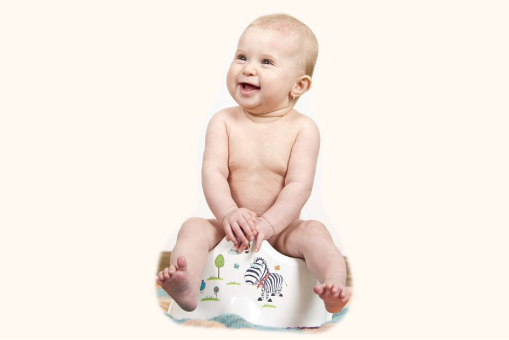
Understanding the process of potty training
Potty training is a significant milestone in a child’s development and a common topic among parents and experts. Many wonder: When should a child stop wearing diapers? How do you encourage independence in urination and defecation control?
For most children, potty training happens naturally, without major issues. However, for some families, it can become a frustrating experience. This frustration often arises when parents attempt to control the child’s natural autonomy instead of allowing them to develop self-regulation skills.
Parental influence on potty training success
First-time parents are more likely to face difficulties, often due to excessive control over the child’s bodily functions. While physical coercion is rare today, psychological pressure can also impact a child’s ability to learn. Verbal and non-verbal frustration from parents can make the child feel pressured, leading to resistance and setbacks.
Common mistakes parents make include:
- Assuming they can determine their child’s biological readiness for potty training.
- Failing to recognize that each child has individual developmental timelines.
- Comparing their child’s progress to others or expecting quick results.
Interestingly, many toddlers can operate mobile devices but still struggle with using a potty. This highlights the importance of timing and approach in the learning process.
What age is best for potty training?
Children can show interest in the potty as early as 12 months, but full control over bowel and bladder functions typically develops between ages 2 and 3. Parents often choose to start potty training during summer months when clothing is lighter and easier to manage.
Over the years, the age for initiating potty training has increased, with some experts attributing this trend to:
- The rise of disposable diapers, which reduce discomfort from wetness and delay the child’s need for control.
- Later parental age, as modern families have fewer children and face increased work-life challenges.
Why Some Kids Prefer Diapers for Pooping
Some children refuse to defecate without a diaper. They may play all day, then seek out a diaper when they feel the urge. They might even hide behind furniture, like squatting behind the couch, to poop.
Possible reasons include:
- Hard stools, which make defecation uncomfortable (dietary changes may help).
- A sense of security, as diapers feel familiar.
- A game-like interaction with parents, where the child enjoys the extra attention.
Instead of expressing frustration, parents should adopt a casual, encouraging approach with positive reinforcement when the child successfully uses the potty.
Nighttime bedwetting and how long is too long?
Bedwetting (nocturnal enuresis) often takes longer to resolve than daytime potty training and may persist until school age.
Signs that bedwetting may be a natural delay:
- The child sleeps deeply and is difficult to wake.
- There is a family history of bedwetting.
How to handle bedwetting
- Remove night diapers around ages 3–4 to encourage bladder control.
- If bedwetting continues, involve the child in cleaning up without showing frustration.
- Avoid punishment or shaming, as this can cause guilt and emotional distress, potentially leading to behavioral issues.
If bedwetting reappears after six consecutive dry nights, consult a pediatrician to rule out medical conditions.
Potty training is a gradual process, and each child has their own timeline. With patience, a stress-free approach, and positive reinforcement, parents can support their child in developing healthy bathroom habits without frustration or setbacks
Download LittleDot – Your Trusted Family Health Partner!
Easily manage your family’s health with our app. Track medical records, consult doctors, and stay one step ahead. Everything you need, right at your fingertips. Download now and try it for free!