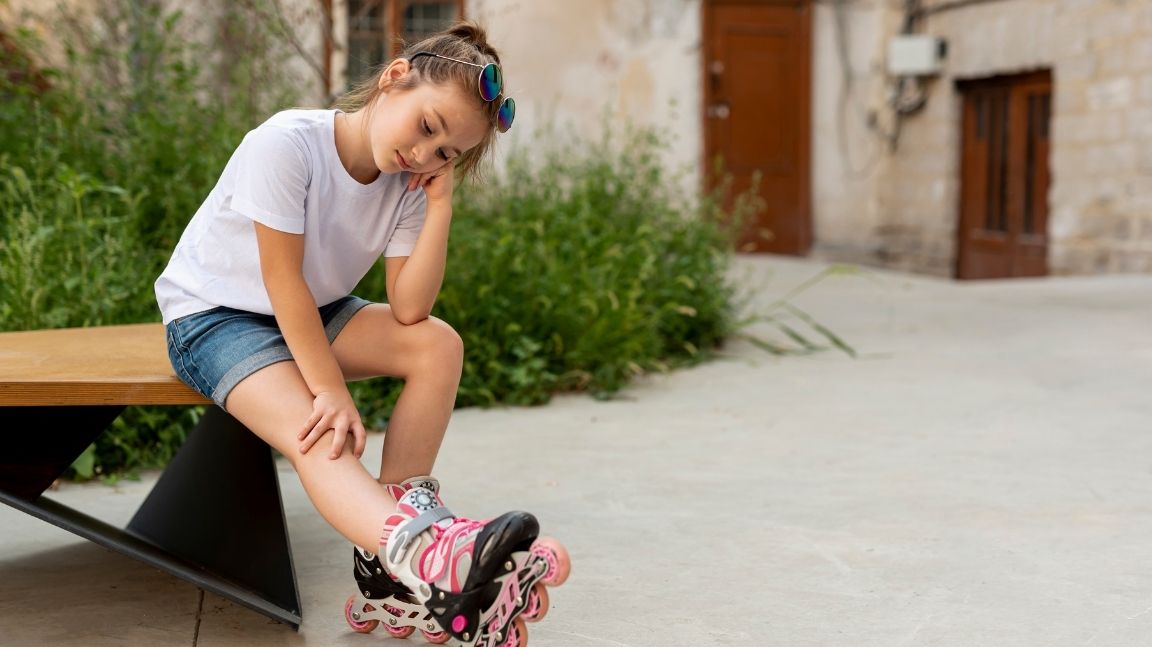
Most children complain of pain in one or both legs at some point. The pain may occur in the evening or at night, sometimes in the morning or during the day. It may worsen when the child walks or gradually lessen after some movement. This type of pain often causes great concern among parents, so we will provide an overview of its possible causes and when medical attention is necessary.
What are growing pains?
Growing pains have a clear biological foundation and mechanisms of appearance. They most frequently occur along the length of the lower leg in the evening. The child has typically been more physically active that day than usual. These pains affect the tibial periosteum, which contains numerous blood vessels and nerve endings. Intense physical exhaustion (playing, jumping) stimulates these nerves, triggering pain, usually when the child is lying in bed.
How to help?
- A gentle massage of the affected area.
- Warm compresses or a warm bath before bedtime.
- Light stretching exercises.
- If necessary, paracetamol can help relieve pain.
Other causes of leg pain in children
1. Overuse injuries and tendon strain
Sometimes, a child complains of pain just below the knee joint, where the large quadriceps tendon attaches. Increased physical activity (jumping, climbing stairs, squatting) puts excessive pressure on this area, causing pain that can last several days.
How to help?
- Rest and avoid activities that put excessive strain on the knee.
- Applying ice therapy (gently rub the painful area with an ice cube for 5–10 minutes).
- Use pain relievers like ibuprofen if necessary.
- Ensure the child wears proper footwear to support movement.
These types of problems are more common in older children and young athletes. Training should avoid excessive stress on the lower leg, such as deep squats, weighted exercises, or running downhill.
2. Achilles tendon pain
Pain in the Achilles tendon area is typically caused by excessive pressure, poor footwear, or repetitive strain. It can lead to pain, redness, and discomfort at the back of the heel.
Treatment:
- Rest and avoid excessive walking or running.
- Ibuprofen for inflammation relief.
- Ice therapy for pain reduction.
- Heel pads in shoes to reduce pressure on the tendon.
3. Reactive arthritis
A child may suddenly begin limping due to hip joint pain. This often occurs after a viral respiratory infection. Inflammation develops when the immune system mistakenly attacks the joint, leading to fluid accumulation and discomfort.
Symptoms:
- Pain worsens in the morning and improves after movement.
- No fever, but joint movement is restricted.
Treatment:
- Ibuprofen for pain and inflammation.
- Rest until symptoms subside (typically within one to two weeks).
4. Baker’s Cyst
If a child experiences pain at the back of the knee along with a noticeable swelling, it may be a Baker’s cyst. This occurs when excess joint fluid accumulates in the area. It is most common in older children engaged in intense sports activities.
When to seek medical help?
- If the swelling becomes painful or does not subside over time.
5. Cartilage damage below the knee
Older children involved in high-impact sports may experience damage to the cartilage, leading to pain and inflammation.
Symptoms:
- Pain when kneeling, squatting, or after a fall.
Treatment:
- Rest and avoid high-impact activities.
- Physical therapy to strengthen surrounding muscles.
- In severe cases, surgery may be necessary.
6. Aseptic necrosis of joint cartilage
For unknown reasons, a temporary disruption in blood supply to cartilage may lead to its deterioration. This condition causes pain and mobility issues.
Symptoms:
- Pain that worsens over time and leads to limping.
Treatment:
- Extended rest to allow healing.
- Avoidance of physical strain on the joint.
7. Bone cysts and tumors
If a child persistently complains of pain in the same spot, it is essential to rule out cysts or bone tumors. Though rare, they can cause localized pain that does not subside with rest.
When to seek medical help?
- If the child consistently points to the same painful area.
- If pain persists beyond normal recovery periods.
When should parents consult a doctor?
If you are unsure whether your child’s leg pain is harmless or requires further evaluation, consulting a specialist is recommended. LittleDot offers online consultations with pediatricians and orthopedic experts to assess symptoms and provide guidance.
Key guidelines:
- Mild, temporary pain after play is normal and usually resolves with rest.
- Pain that lasts more than a week, or is accompanied by swelling and redness, requires medical evaluation.
- Sudden, intense pain that limits walking should not be ignored.
Most leg pain in children is caused by growth-related factors or temporary overuse. However, parents should be aware of potential underlying conditions that require attention. If you are concerned about your child’s symptoms, LittleDot specialists are available for online consultations to ensure the best possible care.
Download LittleDot – Your Family’s Health Companion!
Easily manage your family’s health with our all-in-one app. Track medical records, consult with doctors, and stay ahead of every health need. Convenient, reliable, and always within reach. Download now and try it for free!